Introduction
The rapid advancement of technology has positioned machine learning, programming, and robotics at the forefront of innovation. These fields are reshaping industries, solving complex problems, and driving unprecedented progress across the globe. This article explores the future scope of these disciplines, their applications, potential earnings, and how to embark on a learning journey to excel in them.
Machine Learning: Revolutionizing Industries
Machine learning (ML) is a subset of artificial intelligence that enables systems to learn and make decisions without explicit programming. By analyzing patterns and data, ML algorithms power technologies that we encounter daily, from personalized recommendations to autonomous vehicles.
Scope of Machine Learning
The scope of machine learning is vast and continually expanding. Key areas include:
- Healthcare ML is transforming healthcare by enabling predictive analytics, disease diagnosis, and personalized treatment plans. Examples include cancer detection, drug discovery, and remote patient monitoring.
- Finance Financial institutions use ML for fraud detection, algorithmic trading, risk assessment, and customer sentiment analysis.
- Retail and E-commerce Personalized recommendations, inventory management, and customer behavior analysis are driven by ML algorithms.
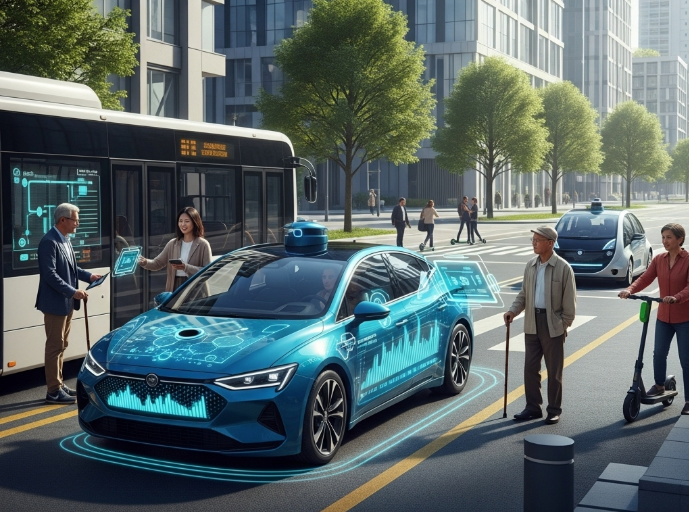
- Transportation Autonomous vehicles and route optimization systems rely on ML to improve safety and efficiency.
- Climate Science ML is used for climate modeling, predicting weather patterns, and developing sustainable solutions to combat global warming.
Programming: The Language of Innovation
Programming is the foundation of modern technology, enabling the creation of software, applications, and systems that power our digital world. With an ever-growing demand for skilled programmers, the field offers limitless opportunities.
Popular Programming Languages for the Future
- Python: Widely used in ML, data analysis, and web development.
- JavaScript: Essential for web development and front-end applications.
- C++: Preferred for system-level programming, robotics, and gaming.
- Java: A mainstay for enterprise applications and Android development.
- R: Specialized for statistical computing and data visualization.
- Rust: Emerging as a go-to language for performance-critical applications.
Fields Where Programming Thrives
- Software Development Creating applications, tools, and systems for various industries.
- Game Development Designing and coding immersive video games using languages like C++ and Unity scripting.
- Web Development Building dynamic websites and web applications with JavaScript and frameworks like React.
- Data Science Analyzing data and extracting insights using Python and R.
- Cybersecurity Developing secure systems and tools to protect against digital threats.
Robotics: Bridging the Digital and Physical Worlds
Robotics combines engineering, computer science, and artificial intelligence to design and build machines that can perform tasks autonomously or semi-autonomously. As automation continues to grow, robotics is becoming integral to numerous industries.
Scope of Robotics
- Manufacturing Industrial robots are used for assembly, quality control, and packaging in manufacturing plants.
- Healthcare Robotic surgery, rehabilitation devices, and robotic prosthetics are revolutionizing patient care.
- Agriculture Drones, robotic harvesters, and precision farming tools are increasing agricultural productivity.
- Space Exploration NASA and other space agencies use robotics for planetary exploration, satellite maintenance, and space station operations.
- Service Industry Robots are being deployed for tasks like cleaning, food delivery, and customer interaction.
Earning Potential in These Fields
- Machine Learning Engineer
- Entry-level Salary: $70,000 – $100,000 per year.
- Experienced Professionals: $120,000 – $180,000 per year.
- Programmer/Software Developer
- Entry-level Salary: $50,000 – $80,000 per year.
- Senior Developer: $100,000 – $150,000 per year.
- Robotics Engineer
- Entry-level Salary: $65,000 – $90,000 per year.
- Experienced Professionals: $100,000 – $150,000 per year.
- Freelancing and Entrepreneurship Freelancers and entrepreneurs in these fields can earn substantially by working on specialized projects, developing innovative products, or offering consultancy services.
Best Countries for Career Growth
- United States A hub for tech innovation, with numerous opportunities in Silicon Valley and other tech-centric regions.
- Germany Known for its expertise in robotics and engineering.
- India A growing market for AI and software development, offering opportunities across startups and multinational corporations.
- Japan A leader in robotics and automation, with a strong focus on research and development.
- Canada A thriving tech industry supported by government initiatives and a focus on innovation.
Learning Pathways to Excel in These Fields
- Online Courses
- Platforms like Coursera, edX, and Udemy offer courses on ML, programming, and robotics.
- Renowned courses include Stanford’s Machine Learning by Andrew Ng and Python for Everybody by Dr. Charles Severance.
- Degree Programs
- Bachelor’s and Master’s degrees in Computer Science, Data Science, or Robotics provide in-depth knowledge and hands-on experience.
Bootcamps and Workshops
Intensive training programs focus on practical skills and industry-relevant projects.
- Certifications
- Earning certifications like AWS Certified Machine Learning or Microsoft Certified: Azure AI Engineer Associate can enhance job prospects.
- Community Participation
- Joining forums, attending hackathons, and contributing to open-source projects can help build a strong professional network.
Emerging Trends and Future Prospects
- Machine Learning
- Edge AI, AutoML, and federated learning are shaping the next generation of ML applications.
- Programming
- Low-code/no-code platforms and quantum programming are gaining traction.
- Robotics
- Humanoid robots, swarm robotics, and soft robotics represent exciting advancements.
Conclusion
Machine learning, programming, and robotics are not just fields of study but gateways to shaping the future. The demand for skilled professionals is soaring, and the opportunities are boundless. By investing time in learning and staying updated with emerging trends, individuals can position themselves at the forefront of this technological revolution. Whether you’re a beginner or an experienced professional, now is the perfect time to dive into these exciting domains and embark on a journey of innovation and success.
Leave a Comment