Introduction
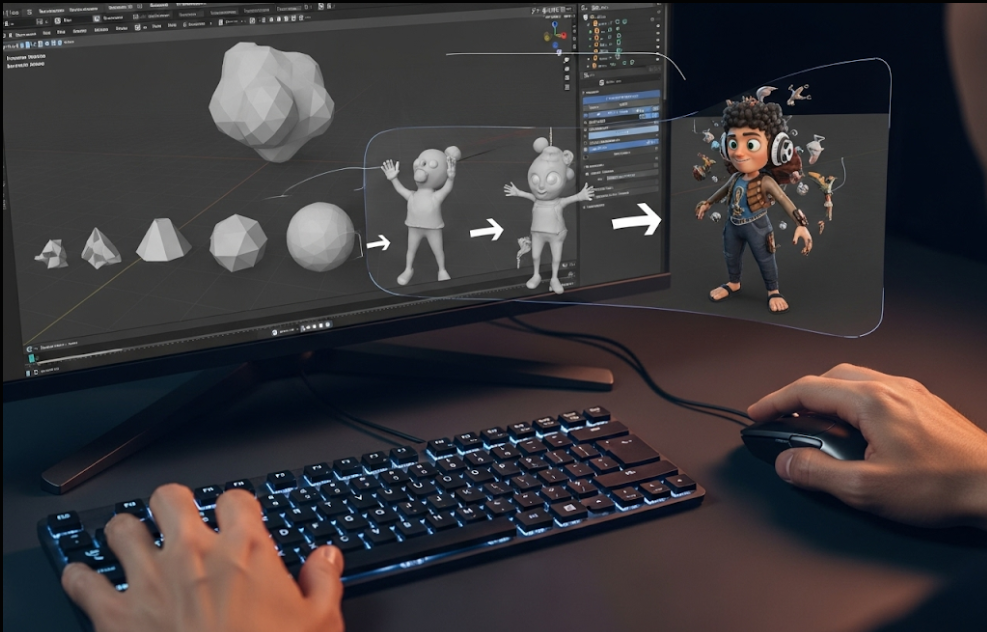
Blender, an open-source 3D creation suite, has revolutionized the world of digital design and animation. From creating stunning animations and visual effects to designing architectural models and video games, Blender is a versatile tool used by millions worldwide. This article provides an in-depth exploration of Blender, including its features, potential earnings, fields of application, best countries for its usage, and tips on mastering the software.
What is Blender?
Blender is a free, open-source software that provides a comprehensive suite of tools for 3D modeling, animation, rendering, simulation, video editing, and more. Developed and maintained by the Blender Foundation, it is accessible to anyone with a computer and the drive to create. The software’s robust capabilities and active community make it a favorite among hobbyists and professionals alike.
Key Features of Blender
- 3D Modeling and Sculpting Blender offers advanced tools for creating and modifying 3D models, including precision modeling, sculpting brushes, and procedural modeling techniques.
- Animation and Rigging Blender’s animation tools include armature creation, inverse kinematics, shape keys, and nonlinear animation editing, making it ideal for creating complex character animations and simulations.
- Rendering Blender comes equipped with two powerful rendering engines—Eevee for real-time rendering and Cycles for photorealistic output. These engines allow creators to produce stunning visuals with accurate lighting and textures.
- Visual Effects (VFX) With features like motion tracking, masking, and compositing, Blender is widely used in the VFX industry to integrate 3D elements into live-action footage seamlessly.
- Video Editing The built-in video sequence editor enables users to cut, splice, and add effects to video projects, making Blender a one-stop solution for multimedia creation.
- Simulation Blender supports simulations for fluids, smoke, particles, cloth, and rigid bodies, allowing creators to add realistic physics to their projects.
Fields Where Blender is Used
- Animation and Film Production Blender is used in creating animated films, TV shows, and visual effects for movies. Its ability to handle all aspects of 3D creation makes it a cost-effective solution for independent filmmakers and major studios alike.
- Game Development Game developers use Blender to create assets, environments, and character models. The software’s compatibility with game engines like Unreal Engine and Unity enhances its utility in this field.
- Architectural Visualization Architects and designers use Blender to produce photorealistic renders and walkthroughs of building designs. The software’s precision tools are invaluable for creating accurate models.
- Product Design Blender aids in designing and prototyping products by providing a virtual environment to visualize and refine ideas before production.
- Education and Research Educational institutions and researchers use Blender for teaching and studying 3D concepts, simulations, and virtual environments.
- Graphic Design and Digital Art Digital artists and graphic designers leverage Blender’s capabilities to create visually compelling illustrations, animations, and concept art.
Earnings Potential with Blender
Blender’s versatility translates into numerous earning opportunities:
- Freelancing: Freelancers specializing in 3D modeling, animation, or rendering can earn between $20 to $100 per hour, depending on their expertise and project complexity.
- Studio Work: Professionals working in animation studios, game development, or architectural firms can expect annual salaries ranging from $40,000 to $100,000 or more.
- Content Creation: Artists creating tutorials, courses, or selling assets on platforms like Blender Market or Gumroad can generate substantial passive income.
- Indie Projects: Independent creators producing short films, animations, or video games can monetize their work through platforms like YouTube, Patreon, and Kickstarter.
Best Countries for Blender Professionals
- United States: The U.S. offers abundant opportunities in animation, game development, and VFX industries, with competitive salaries and numerous creative hubs.
- Canada: Known for its thriving film and animation sector, Canada is home to many toptier studios actively seeking Blender professionals.
- Japan: With a strong emphasis on animation and gaming, Japan provides exciting career prospects for 3D artists and animators.
- Germany: Germany’s architectural and industrial design sectors utilize Blender for visualization and prototyping, offering ample job opportunities.
- India: As a growing hub for animation and VFX outsourcing, India offers a range of opportunities for Blender users at various skill levels.
How to Learn Blender
- Official Blender Website Start with Blender’s official website, which offers a wealth of free resources, including documentation and tutorials.
- Online Courses Platforms like Udemy, Coursera, and Skillshare host comprehensive Blender courses for beginners and advanced users. Courses from certified instructors provide structured learning paths.
- YouTube Tutorials The Blender community on YouTube is vibrant, with creators offering tutorials on everything from basic modeling to advanced simulations.
- Community Forums Joining forums like Blender Artists or Reddit’s r/blender allows learners to seek advice, share their work, and stay updated with industry trends.
- Practice Projects The best way to master Blender is through hands-on experience. Create personal projects or participate in challenges to refine your skills.
- Workshops and Bootcamps Attend workshops, bootcamps, or webinars hosted by Blender professionals to gain practical insights and network with industry experts.
Blender’s Global Impact
Blender’s open-source nature has democratized 3D design, making high-quality tools accessible to everyone. This accessibility has empowered artists in developing countries, fostered innovation, and contributed to groundbreaking projects in science, education, and entertainment.
Conclusion
Blender is more than just software; it is a gateway to limitless creative possibilities. Its extensive toolset, active community, and wide-ranging applications make it a valuable asset for anyone interested in 3D design and animation. Whether you’re an aspiring artist or a seasoned professional, mastering Blender can open doors to exciting career opportunities and enable you to bring your creative visions to life. With dedication and practice, the potential to excel in Blender and make a mark in the digital world is boundless.c

Leave a Comment